


23 Feb Adult Acne in Singapore: Causes, Assessment and Treatment
By Dr Rachel Ho | Aesthetic Doctor, Founder, The Skin Longevity Clinic, Singapore
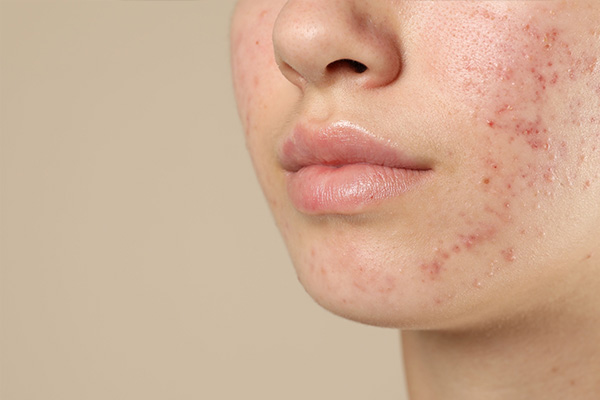
Acne can feel particularly frustrating when you thought you had left it behind years ago. Whether breakouts have continued since your teens or returned after a long clear period, a useful next step is to review what has changed and what your skin needs now.
Adult acne care brings together treatment of current breakouts, skin tolerability and a plan for maintaining improvement1. Our acne assessment and treatment guide explains the overall options; this article focuses on decisions that arise when acne persists into adult life.
Why does acne happen in adults?
Acne involves changes in the hair follicle and oil gland, including follicular blockage, sebum activity and inflammation2. These processes can continue beyond adolescence, and the reason for a flare is often more complex than one skincare product or a single stressful week2.
Tell your doctor whether you have always had acne, whether it returned after treatment, or whether this is your first significant episode. Bring dates where possible, including when you started or stopped medicines, supplements, contraception or a new skincare routine.
For the hormonal and life stage background in women, read Dr Rachel Ho’s adult female acne explanation. This clinic guide also covers the practical assessment questions relevant to men with persistent breakouts.
What should an adult acne assessment review?
An examination should distinguish active acne from marks, scars and other conditions that can resemble breakouts3. Describe symptoms such as itching, burning or recurrent bumps after shaving, rather than relying only on the name you have given them.
| Information to bring | What to discuss |
|---|---|
| Current products | Include cleansers, acids, retinoids, spot treatments and products used after shaving. |
| Previous treatment | Note the duration, response and reason you stopped each treatment. |
| Pattern over time | Explain whether the breakouts are continuous, cyclical or linked to a recent change. |
| All affected areas | Mention the chest, back or scalp as well as the face. |
| Personal priorities | Discuss discomfort, visible marks, scarring, pregnancy plans and the practical cost of care. |
This history makes the consultation more specific. A treatment that was stopped because it stung needs a different discussion from one that was used comfortably but brought little improvement.
Does adult acne mean a hormone problem?
Hormonal influences can matter even when blood hormone levels are within the expected range1. A jawline distribution or monthly flare alone is insufficient to establish an endocrine disorder4.
Mention irregular periods, unwanted facial hair or scalp hair thinning alongside the acne. Our hormonal acne assessment guide explains when these findings may change investigation or treatment decisions.
How is adult acne treatment selected?
Topical treatments such as retinoids, benzoyl peroxide and azelaic acid are used according to the lesions and the wider clinical picture3. More persistent or severe disease may require oral treatment, while the choice also depends on medical suitability and previous response3.
Ask the doctor to explain which part of the plan treats blocked follicles, which addresses inflammation and what should happen if the first approach is poorly tolerated. A plan you understand is easier to discuss and adjust at follow up.
For painful deeper lesions, our cystic acne guide addresses the specific treatment decisions involved. Scarring or substantial impact on wellbeing can justify escalation of treatment even when the visible lesion count seems modest3.
Where do clinic procedures fit?
Discuss a proposed procedure in relation to a clearly defined concern, rather than choosing it because it is marketed for adult skin. Ask what benefit it is intended to add and what medical treatment, if any, should continue alongside it.
Our chemical peel treatment guide and selective sebaceous gland ablation page explain those procedures separately. Reading them is preparation for a suitability discussion, rather than a recommendation that every adult with acne needs a procedure.
What if your acne treatment makes your skin uncomfortable?
Adult acne management should account for sensitivity and treatment related irritation, which can make continued use difficult1. Tell your doctor whether the problem is stinging on application, ongoing tightness, visible peeling or discomfort after combining products.
Keep a short list of everything you apply in the morning and evening, including products used only occasionally. Dr Rachel Ho’s skin barrier repair guide provides further reading for a routine that has become uncomfortable.
In Singapore, explain how treatment fits around commuting, sunscreen, makeup, exercise and work. These are practical planning considerations, rather than reasons to assume that everyone living in the same climate needs the same routine.
Why does acne return after it improves?
Acne can follow a relapsing course, and maintenance treatment may be needed after the initial improvement1. Continuing care should be reviewed rather than assuming that every product or tablet must be used indefinitely1.
At follow up, discuss new breakouts separately from older marks. Ask what should continue, what can be reduced and when you should return if the pattern changes again.
What changes with pregnancy plans?
Pregnancy or plans to conceive can change which acne medicines are suitable, particularly retinoids and some oral treatments5. Breastfeeding needs its own review rather than automatic continuation of pregnancy restrictions5.
Bring your prescriptions and full product lists before changing the routine. Dr Rachel Ho’s pregnancy skincare guide explains the questions to discuss.
Adult acne treatment costs in Singapore
Before committing to care, ask about the consultation fee, prescribed treatment and the likely review arrangements. Where investigations or procedures are proposed, request their costs separately and clarify which elements are optional.
Tell the clinic which previous treatments you have already paid for and how they worked. This helps keep the discussion focused on the next clinical decision rather than repeating a course without reviewing its purpose.
Preparing for your appointment
Write down the two or three concerns that matter most to you and bring photographs showing previous flares. Include the effect on work, social plans or confidence, even when the skin happens to look quieter on the appointment day.
Contact The Skin Longevity Clinic to ask about an adult acne assessment with Dr Rachel Ho. The aim is a clear explanation of the current problem, the options available and how progress will be reviewed.
In this series: acne care
- Acne treatment in Singapore: assessment and ongoing care
- Teenage acne
- Hormonal acne
- Cystic acne
- Back and body acne
- Acne and a damaged skin barrier
- Retatrutide and acne breakouts
- Selective sebaceous gland ablation
- Can acne return after oil gland treatment?
- Chemical peels for acne
- Chemical peel aftercare
- LED light treatment
References
-
Bagatin E, de Freitas THP, Rivitti-Machado MC, et al. Adult female acne: a guide to clinical practice. An Bras Dermatol. 2019;94(1):62–75. doi:10.1590/abd1806-4841.20198203. Read the source
-
Moradi Tuchayi S, Makrantonaki E, Ganceviciene R, et al. Acne vulgaris. Nat Rev Dis Primers. 2015;1:15029. doi:10.1038/nrdp.2015.29. Read the source
-
Eichenfield DZ, Sprague J, Eichenfield LF. Management of Acne Vulgaris: A Review. JAMA. 2021;326(20):2055–2067. doi:10.1001/jama.2021.17633. Read the source
-
Teede HJ, Tay CT, Laven JJE, et al. Recommendations from the 2023 International Evidence-based Guideline for the Assessment and Management of Polycystic Ovary Syndrome. Fertil Steril. 2023;120(4):767–793. doi:10.1016/j.fertnstert.2023.07.025. Read the source
-
Ly S, Kamal K, Manjaly P, Barbieri JS, Mostaghimi A. Treatment of Acne Vulgaris During Pregnancy and Lactation: A Narrative Review. Dermatol Ther (Heidelb). 2023;13:115–130. doi:10.1007/s13555-022-00854-3. Read the source