Does HRT improve menopausal skin?
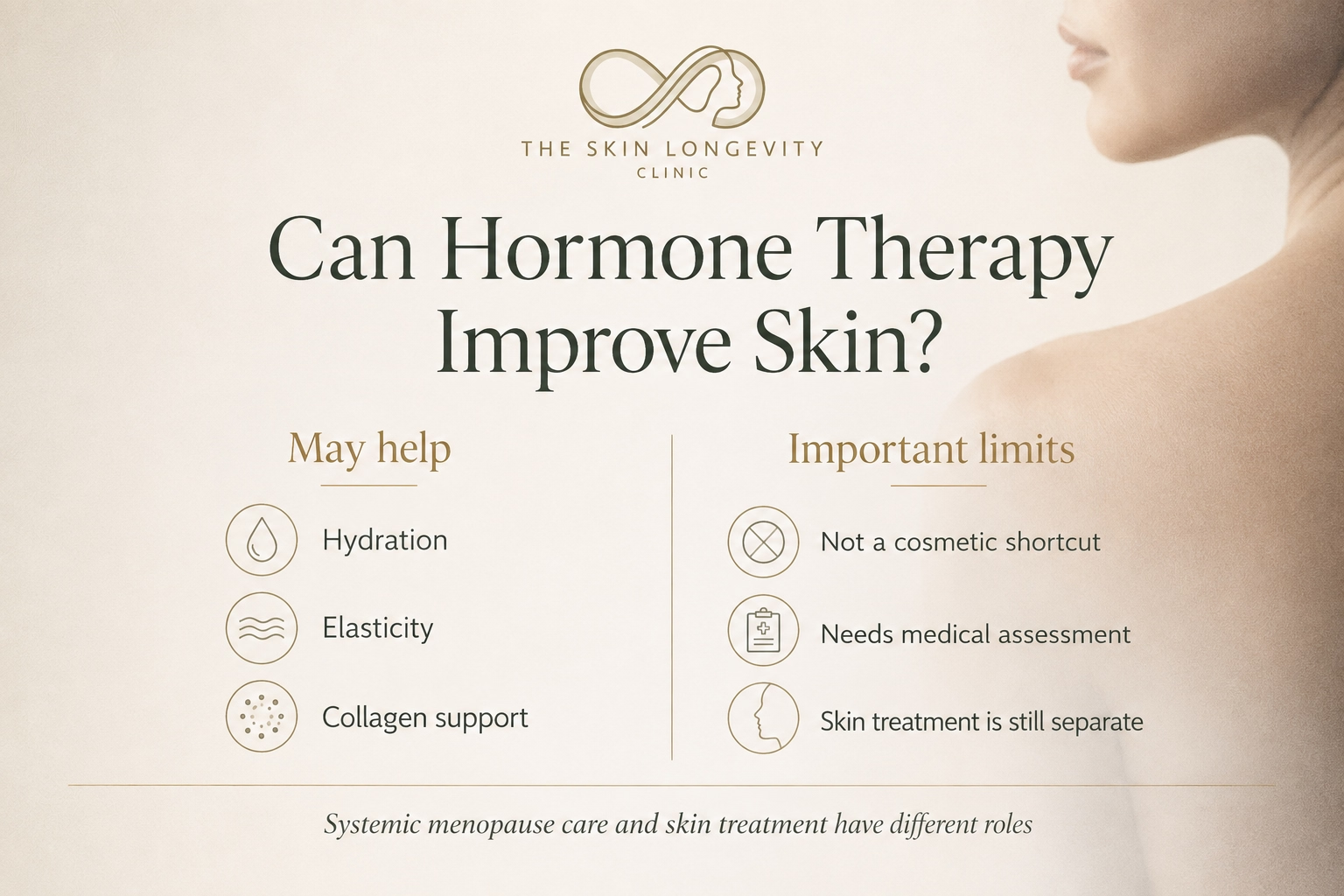
Menopause hormone therapy, commonly searched as HRT, may improve selected measurements of skin hydration, thickness, collagen or elasticity in some studies3,20. Results have been inconsistent, and available studies differ in hormone formulation, dose, treatment route and skin outcome measures3,20.
Singapore’s 2026 menopause guidelines support MHT for appropriate medical indications, including troublesome hot flushes and night sweats, selected menopause related mood symptoms, and prevention or treatment of postmenopausal bone loss2. For most suitable symptomatic women younger than 60 or within 10 years of their last period, the benefits of starting MHT generally outweigh the potential risks2.
Systemic MHT should not be started solely as a cosmetic treatment for normal skin ageing. Skin improvement may be a secondary benefit for some women who already have an appropriate medical indication, but decisions about MHT belong within a complete assessment of symptoms, medical history and individual risk3,23.
What about oestrogen face creams?
Small studies of topical oestrogen have reported possible improvements in selected signs of skin ageing, but a 2026 systematic review found considerable variation in formulations, study design and safety reporting20. Current evidence does not support treating hormone containing facial products as cosmetic moisturisers20.
Vaginal oestrogen products are formulated and prescribed for genitourinary symptoms. They should not be repurposed for the face without advice from your doctor.
Women with a history of hormone sensitive cancer, unexplained bleeding or other relevant medical conditions require individual medical guidance before using any systemic or topical hormone treatment. An aesthetic consultation cannot replace that assessment.
What is the best menopause and perimenopause skin treatment in Singapore?
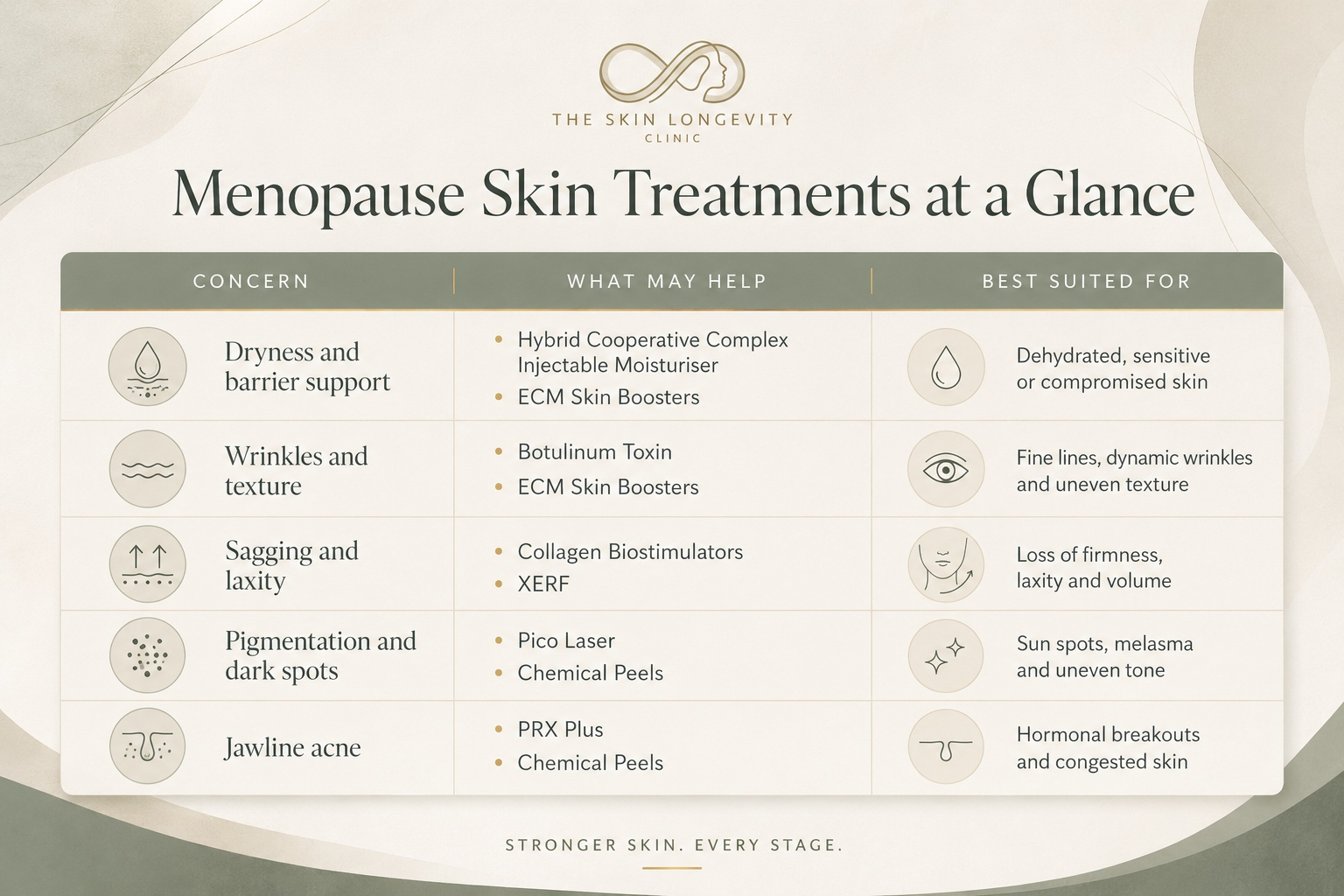
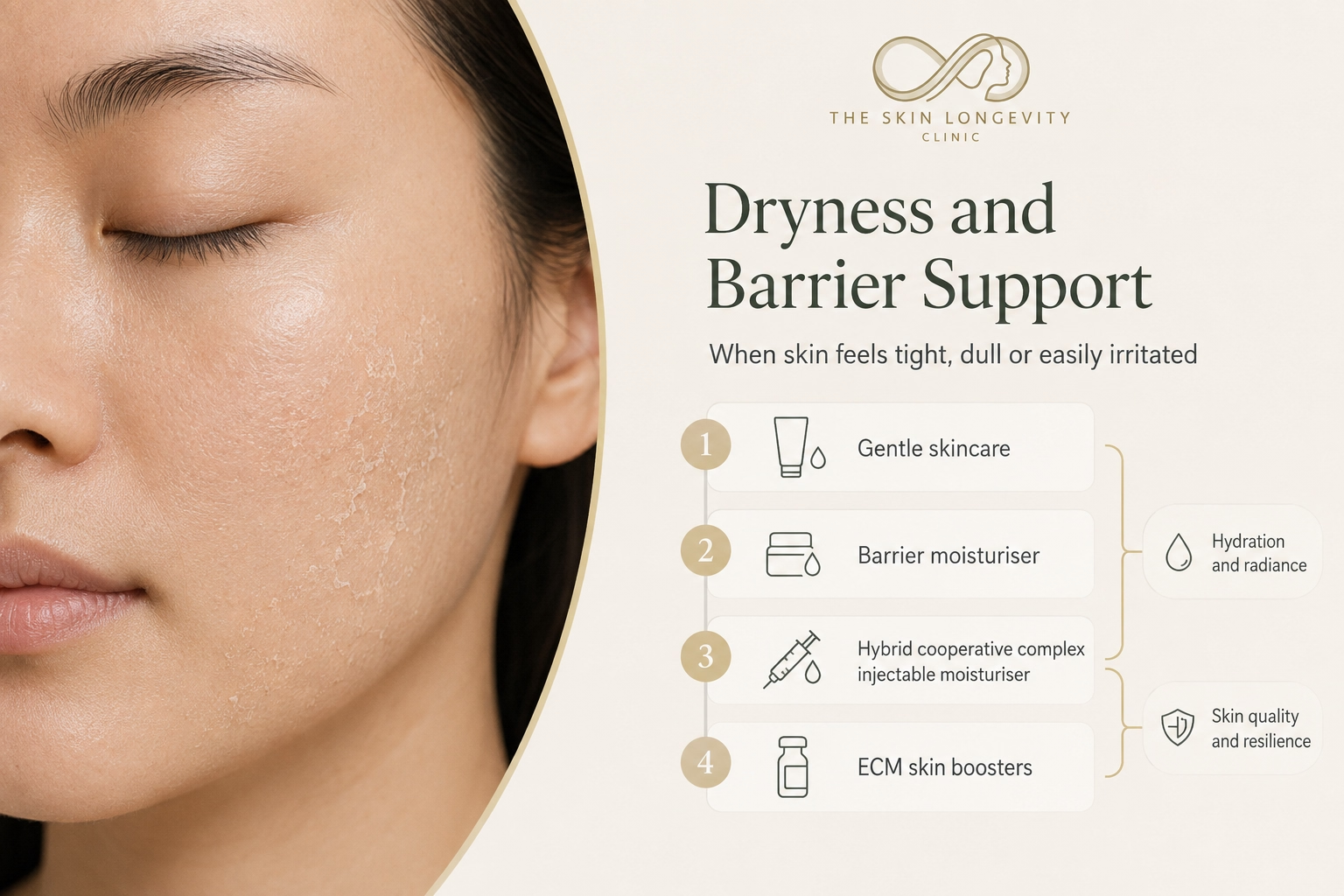
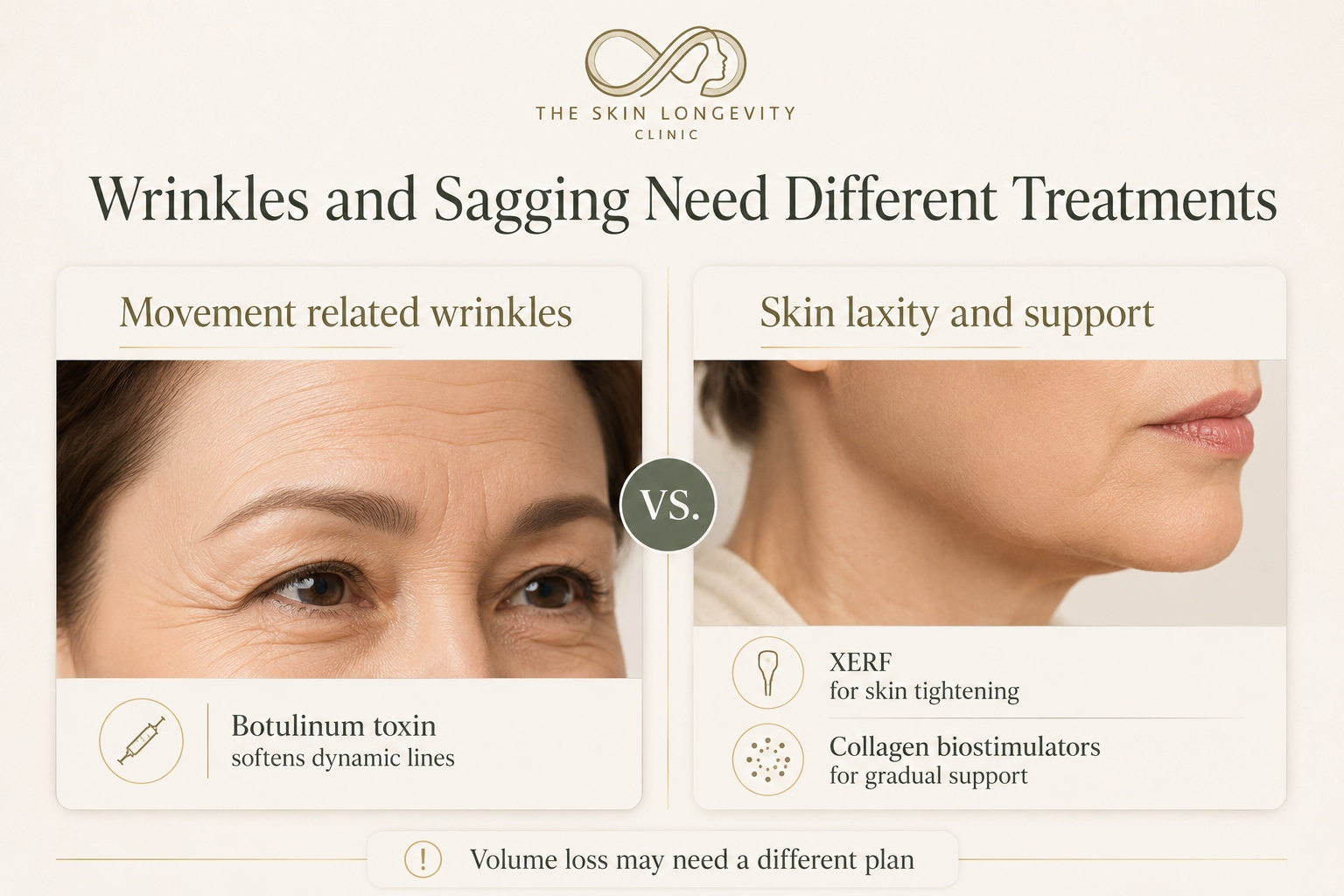
The best skin treatment for perimenopause and menopause is the one matched to the pathology causing the symptom. Dryness may improve with barrier care or injectable hydration, while dynamic wrinkles, pigmentation, laxity and facial hollowing require different treatment categories.
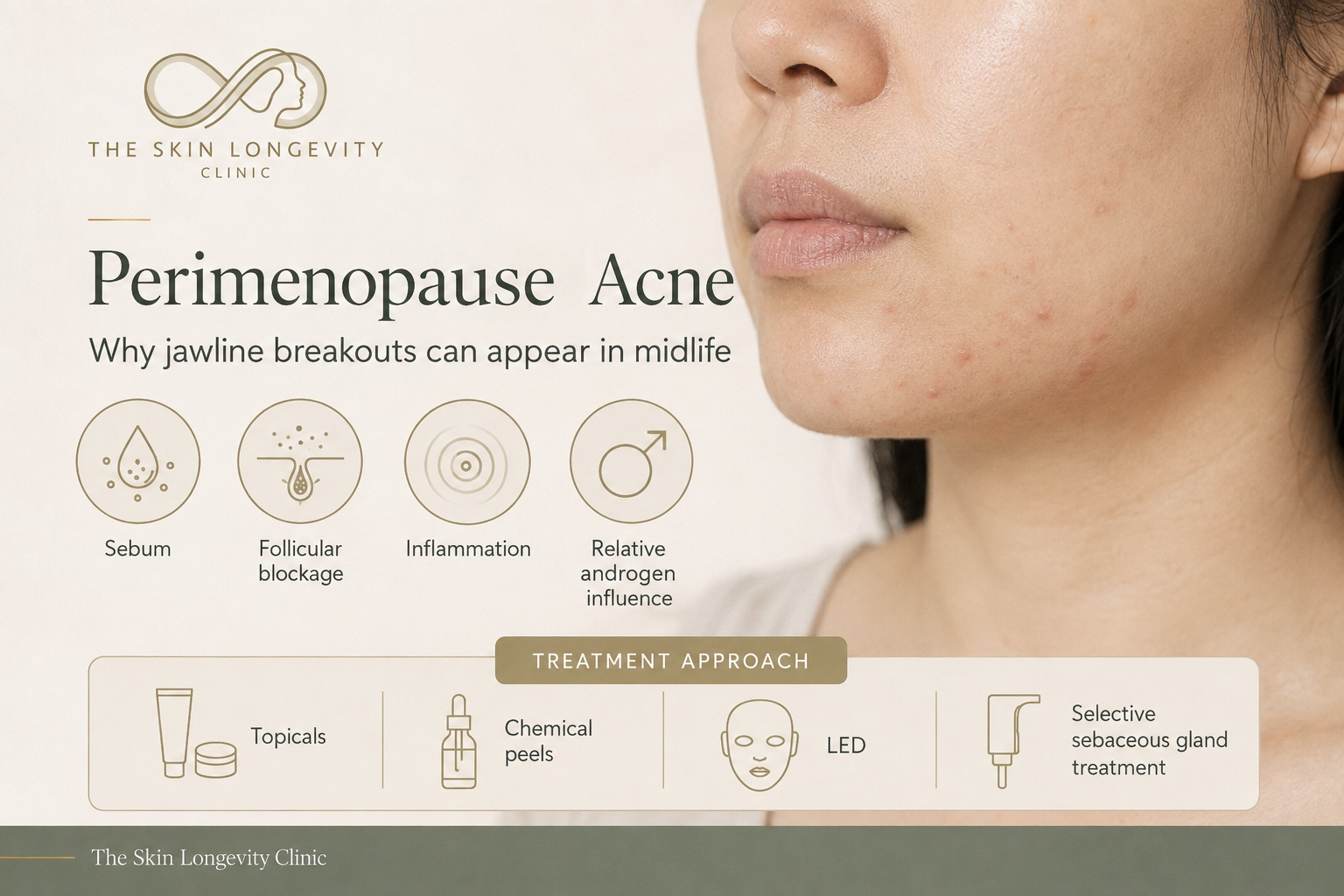
A useful plan also respects priority. Active dermatitis, acne or unstable melasma should usually be controlled before elective injectables or energy treatment.
A practical treatment sequence
|
Stage |
Priority |
Why it matters |
|
1. Diagnose |
Separate barrier disturbance, acne,
pigmentation, wrinkles, laxity and volume loss |
Similar visible changes can arise from
different layers |
|
2. Stabilise |
Control irritation, dermatitis, active
acne and reactive pigmentation |
Inflamed skin has a greater risk of poor
tolerance and PIH |
|
3. Restore daily function |
Optimise cleansing, moisturising and
sunscreen |
A stable routine supports every later
treatment |
|
4. Improve skin quality |
Consider injectable moisturiser, ECM skin
booster, collagen biostimulator, PRX Plus or a peel where appropriate |
Treatment should match hydration, texture
or dermal support |
|
5. Address movement or laxity |
Consider botulinum toxin, XERF or focused
ultrasound |
Each treatment should have one clearly
defined purpose |
|
6. Correct structural loss |
Consider hybrid cooperative complex for
structure, filler or a suitable biostimulator |
Tightening and volume replacement are
different jobs |
|
7. Maintain |
Continue skincare, sunscreen and periodic
review |
Menopause and chronological ageing
continue after treatment |
Spacing procedures also makes results easier to interpret. Performing several treatments at the same time can increase swelling and irritation while making it difficult to identify which treatment produced the benefit or complication.
What happens during a menopause and perimenopause skin consultation?
A consultation begins with the concerns that have changed and the effect they have on the patient. Skin sensitivity, menstrual stage, current MHT, medication, weight changes, skincare, previous procedures and medical history provide useful context.
Next, the examination then identifies whether the visible issue lies mainly in the epidermis, dermis, muscle, fat compartments or deeper facial support. Photography and skin assessment may help document the starting point, but they do not replace clinical examination.
A treatment plan may consist of skincare alone, one focused procedure or a staged combination. The consultation should also explain realistic improvement, recovery, cost, risks, alternatives and situations in which a surgical or non aesthetic medical opinion would be more appropriate.
The Skin Longevity Clinic is located at Scotts Medical Center in Pacific Plaza near Orchard Road, Singapore. The clinic’s approach is doctor led and based on skin biology, facial anatomy and treatment sequencing rather than a standard menopause package.